RIGHTME
返回列表

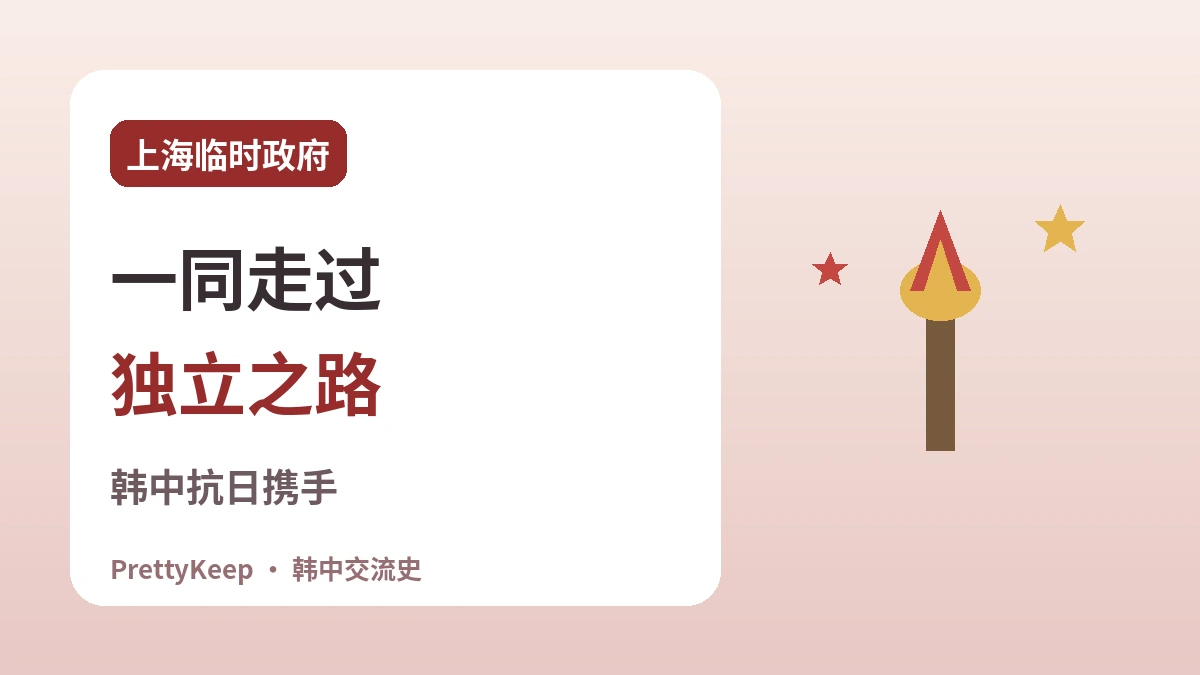
Shanghai and the Korean Provisional Government — The Road to Independence Walked Together by Korea and China

发布日期 2026.07.10
Shanghai and the Korean Provisional Government — The Road to Independence Walked Together by Korea and China 1

(A Korea–China friendship history guide for Chinese visitors to Korea)

[Document type] Korea–China exchange-history guide / modern anti-colonial solidarity and friendship

────────────────────────────────────
Introduction
────────────────────────────────────

In the early 20th century, Korea and China endured the pains of the same era and reached out to one
another. The Provisional Government of the Republic of Korea, founded in Shanghai in 1919, continued
for 27 years on Chinese soil, and throughout those long years it received help from countless Chinese
citizens and from Chinese authorities. Behind the ability of Korean independence activists to operate
across Shanghai, Jiaxing, and Chongqing lay the understanding and support of neighboring China.

This guide warmly introduces, from a Chinese visitor's perspective, the history of anti-colonial
solidarity that the two nations walked shoulder to shoulder. Rather than disputes over territory or
attribution, it focuses on the real scenes of cooperation and friendship. If you recall this story
while traveling in Korea, the shared texture of both countries' modern history will feel much closer.

Korea preserves spaces and materials that remember this era. We introduce Seoul's memorial halls
that connect to the Shanghai sites, so please use them in planning your visit.

────────────────────────────────────
Understanding Korea–China anti-colonial solidarity
────────────────────────────────────

1) Why Shanghai
In the early 20th century Shanghai was an international city with foreign concessions, allowing
relatively free activity. Korean activists established the Provisional Government here and carried
out diplomatic, press, and educational work.

2) What they shared
Facing the common hardship of colonial rule, the two peoples shared information, shelter, funds,
and refuge. From the 1930s, cooperation between Chinese authorities and the Korean independence
movement deepened.

3) How we remember
① Respect grounded in facts ② Presenting both nations' perspectives ③ Focusing on scenes of
friendship rather than political verdicts. Read it as a story of cooperation that rose above past
pain.

Key point: Korea–China solidarity is "a record of neighbors who endured the same era together." We
present it not as a history of conflict but as a history of friendship in hard times.

────────────────────────────────────
Traces of Korea–China solidarity TOP10
────────────────────────────────────


No.1
Shanghai Provisional Government Hall
Meaning Founded 1919, symbol of the Korean government sustained on Chinese soil
Point The Madang Road hall in Shanghai is preserved today as a memorial
Link View together with Seoul's Seodaemun and Hyochang Park sites


No.2
Patriot Yun Bong-gil and Shanghai Hongkou Park
Meaning The 1932 Hongkou action, a symbolic event of Korea–China cooperation
Point A turning point that drew Chinese leaders' attention to Korea's cause
Link Maeheon Yun Bong-gil Memorial in Yangjae, Seoul


No.3
Days of refuge in Jiaxing and Hangzhou
Meaning The period when the Provisional Government moved from Shanghai with Chinese help
Point Chinese communities offered shelter to Korean activists — a friendship
Link Domestic exhibits introducing the routes of that time


No.4
Chongqing Provisional Government and the Korean Liberation Army
Meaning The government and the founding of the Liberation Army in 1940s Chongqing
Point Military and diplomatic cooperation supported by China's Nationalist government
Link Liberation Army related exhibits in Seoul


No.5
Kim Ku and exchanges with Chinese figures
Meaning The bonds between leader Kim Ku and figures across Chinese society
Point Personal friendship and trust underpinning solidarity between nations
Link Baekbeom Kim Ku Memorial, Hyochang Park, Seoul


No.6
Joint Korea–China press and publishing
Meaning Exchange of information through newspapers and journals in Shanghai
Point A voice of resistance made together by intellectuals of both nations
Link Materials in domestic modern-history museums


No.7
The Shanghai Korean community and Chinese neighbors
Meaning Friendship in daily life, leaning on one another far from home
Point Sharing shelter, livelihood, and education
Link Domestic exhibits on migration and exchange


No.8
Solidarity among Korean and Chinese women activists
Meaning Education, relief, and independence work carried out together by women
Point A little-known but important scene of cooperation
Link Materials on women's independence movement in Seoul


No.9
Seeds of postwar Korea–China friendship
Meaning How wartime solidarity flowed into later civilian friendship
Point Where historical cooperation connects to today's exchange
Link Domestic exhibits on Korea–China friendship


No.10
Meeting the Provisional Government's memory in Seoul
Meaning A walking course to follow Shanghai's story at home
Point A memorial route you can tour comfortably, mostly indoors
Link Combined visits to Hyochang Park, Seodaemun, and Yangjae


────────────────────────────────────
Details — how to tour
────────────────────────────────────

[Example Seoul walking route]
At the Baekbeom Kim Ku Memorial in Hyochang Park, trace the footsteps of the Provisional Government
and Kim Ku, then move to the Maeheon Yun Bong-gil Memorial in Yangjae to understand the context of
the Hongkou action. Touring the modern-history spaces around Seodaemun afterward brings the flow of
Korea–China solidarity into focus. Most are indoor exhibits, comfortable regardless of weather.

[Why it is especially meaningful for Chinese visitors]
Several Chinese cities — Shanghai, Jiaxing, Chongqing — appear together in this history. For a
visitor from China, there is great pleasure in discovering how one's own place-names and figures are
interwoven with Korea's modern history.

[An attitude of respect]
This theme is a precious memory for both nations. Rather than asserting one viewpoint, we center on
the facts of cooperation endured and overcome together. Please observe the etiquette of memorial
spaces when you visit.

[Connecting with a medical-tourism schedule]
Seoul's downtown memorials are mostly indoors with good access, suiting light itineraries before or
after checkups or procedures. They can be arranged as a half-day course without strenuous travel.

Notes for medical tourists (most important)
- Above all, follow your clinic's recovery guidance (period, precautions) for every itinerary.
- After a procedure, keep to indoor, flat, seated viewing and avoid UV and long walking.
- Memorials are mostly indoors and light even in recovery, but adjust your viewing time to your
condition.
- If you feel dizziness, pain, or other abnormal symptoms, stop at once and contact your clinic.

────────────────────────────────────
Frequently asked questions (FAQ)
────────────────────────────────────

Q1. As a Chinese visitor, will this theme feel comfortable?
A. Yes. We center on the friendship of two nations that helped each other in hard times, focusing on
scenes of cooperation rather than contentious material.

Q2. Can I see related places in Seoul?
A. Yes — at the Baekbeom Kim Ku Memorial in Hyochang Park and the Maeheon Yun Bong-gil Memorial in
Yangjae, you can meet records of the Provisional Government and solidarity.

Q3. How long does it take?
A. A half-day is enough to tour two or three main memorials comfortably. Being mostly indoors, it is
relaxed.

Q4. Is Chinese-language guidance available?
A. Major memorials often provide multilingual guidance and materials. PrettyKeep helps with routes
and interpretation.

Q5. Can I visit after a procedure?
A. Being mostly indoor and flat, it places little strain even in recovery. Follow your clinic's
recovery guidance first.

Q6. Is photography allowed?
A. Rules vary by memorial. Check on-site guidance, and observe etiquette in spaces of remembrance.

────────────────────────────────────
Medical-tourism tips
────────────────────────────────────

1. Follow your clinic's recovery guidance above all for every itinerary.
2. Center your route on downtown memorials with indoor, flat, seated viewing.
3. After a procedure avoid UV and long walking; keep to a relaxed half-day course.
4. Observe quiet and etiquette in spaces of remembrance.
5. If your condition declines, stop viewing at once and contact your clinic.

────────────────────────────────────
About PrettyKeep
────────────────────────────────────

PrettyKeep is a Korea travel and medical-tourism guide platform for foreign visitors.

- We curate indoor-centered, low-intensity walking courses on Korea–China exchange history
(every itinerary reflects the clinic's recovery guidance above all)
- Route design that minimizes travel near the clinic, with interpretation support
- One-stop courses weaving memorial and exhibit visits together with recovery schedules
- Guidance on symptom response and clinic connection

A day to meet the history the two nations walked together, in respect and friendship — comfortably,
with PrettyKeep.

────────────────────────────────────

更多帖子