(A Seoul traditional-market baekban & old-eatery food guide for foreign patients and travelers)
[Document type] Culinary travel guide / traditional-market old eateries & baekban
────────────────────────────────────
Introduction
────────────────────────────────────
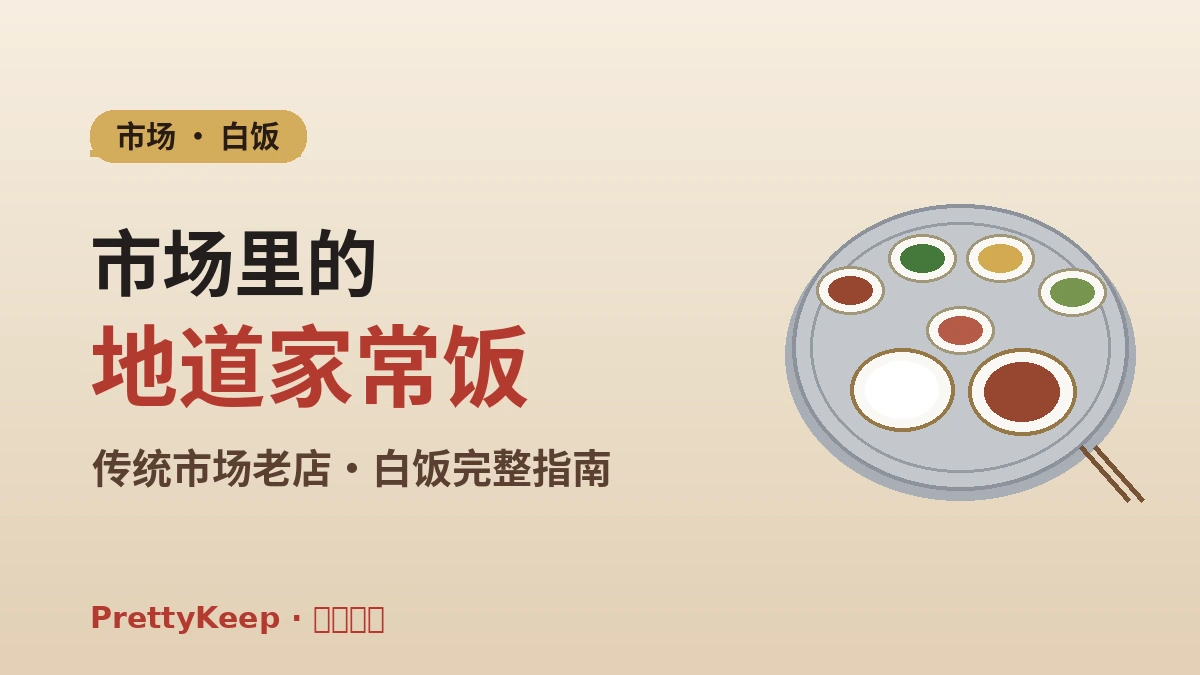
Often the most heartwarming meal in Korea isn't at a fancy restaurant but at an
old eatery ("nopo") in a market alley — a humble baekban spread. Rice, a soup,
and five or six side dishes laid out on a tin tray: baekban is the everyday
Korean home meal itself.
From Gwangjang Market's yukhoe (beef tartare) and bindaetteok, to Tongin
Market's brass-coin lunchbox, to Namdaemun Market's braised-hairtail alley —
Seoul's traditional markets serve the real taste of Korea at gentle prices.
Affordable and mostly mild, home-style cooking, it's easy even for visitors
recovering after a procedure or check-up. It suits anyone who wants the most
Korean, best-value table of all — unpretentious but genuine.
This guide covers signature market eateries, baekban spots, and market tips in
plain language, from a foreign visitor's point of view.
────────────────────────────────────
Understanding market eateries & baekban
────────────────────────────────────
1) What is baekban
A basic Korean meal built around rice (baekban) with soup/stew and several
side dishes on one tray. Usually a filling, great-value meal around
8,000–12,000 won.
2) What is a nopo (old eatery)
A long-running shop of decades' standing. Unpolished but full of loyal
regulars, proven home cooking, and the warmth of the market.
3) Market food culture
Beyond baekban, markets brim with ready-to-eat treats — yukhoe,
bindaetteok, kalguksu, tteokbokki, braises. The fun of picking and the
market's lively buzz are the charm.
Key point: market eateries and baekban are "the cheapest way to enjoy a real
Korean table." All you need is some cash, comfy shoes, and a little sense of
adventure.
────────────────────────────────────
TOP 10 market eateries, baekban & foods
────────────────────────────────────
No.1
Gwangjang Market baekban
Purpose A classic market-eatery baekban spread
Great for Anyone curious about real Korean home cooking
Note A humble tray of rice, soup, namul and braises, at old eateries in Seoul's biggest market
No.2
Tongin Market brass-coin lunchbox
Purpose A unique baekban you fill by picking side dishes
Great for Families/couples who enjoy the fun of choosing
Note Buy brass coins at the lunchbox café, then fill your own tray from each stall
No.3
Namdaemun Market braised-hairtail alley
Purpose The mecca of spicy-savory braised baekban
Great for Fans of punchy broth and rice-stealer side dishes
Note Braised hairtail/mackerel with endless rice, from the old eateries of a narrow alley
No.4
Gwangjang Market yukhoe alley
Purpose The signature fresh-beef tartare food
Great for Those up for Korean raw-beef delicacies
Note Yukhoe mixed with sesame oil and egg yolk, often with live octopus (nakji)
No.5
Gwangjang bindaetteok & mayak gimbap
Purpose A plate of the market's signature snacks
Great for Those wanting savory pancake plus hearty gimbap
Note Fresh-fried mung-bean bindaetteok + "addictive" mini gimbap with mustard sauce; lunchtime queues
No.6
Tongin Market oil-tteokbokki
Purpose Old-style tteokbokki stir-fried in oil
Great for Those who want non-spicy, old-school tteokbokki
Note No broth — stir-fried in oil with soy/gochujang, a Tongin Market specialty
No.7
Mangwon Market local baekban & food
Purpose A humble spread at a locals' market
Great for Those avoiding tourist crowds
Note A neighborhood market mixing young-vendor and local foods with baekban, at fair prices
No.8
Namdaemun kalguksu & wang-mandu alley
Purpose A steaming bowl at an old eatery
Great for Those needing a warm, easy meal
Note Hand-cut noodles, jumbo dumplings and barley rice; gentle even in recovery
No.9
Gyeongdong Market nopo & youth mall
Purpose A market where tradition meets the new
Great for Those wanting local vibes plus a café
Note Herbal-medicine market and old eateries blend with a rooftop youth mall and cafés
No.10
Market-eatery tips (for foreigners)
Purpose Enjoy market baekban smoothly
Great for First-timers at traditional markets
Note Bring cash, expect shared seating, know how to order, check hygiene
────────────────────────────────────
Detail — How to enjoy it
────────────────────────────────────
[Enjoying baekban]
At a baekban shop you usually just say "baekban, please" per person. Rice and
soup come with a tray of sides, and many places refill the sides. It leans on
mild namul and braises, so it's gentle and easy even in recovery.
[Enjoying market food]
Gwangjang shines with ready-to-eat treats like yukhoe, bindaetteok and mayak
gimbap. Sharing a little of many things with a group is the market's delight.
At Tongin, you build your own baekban by picking sides with brass coins.
[Choosing a market]
For classic market baekban and yukhoe, Gwangjang; for the unique lunchbox
experience, Tongin; for spicy braised baekban, Namdaemun's hairtail alley; for
locals' neighborhood vibes, Mangwon. Weekday middays are usually calmest.
[Tips & etiquette]
- Bring cash. Some small old eateries don't take cards.
- Lunchtime (noon–1 pm) is very busy. A bit earlier or later is easier.
- In tight markets, shared tables and eating standing are common — it's normal.
- If hygiene worries you, pick a busy, fast-turnover old eatery.
Note for medical tourists
- Market baekban is generally mild, easy even in recovery.
- Still, spicy or oily items like braised hairtail or oil-tteokbokki may need
adjusting depending on your post-procedure state.
- After dental/oral procedures, favor soup, porridge, and soft baekban.
- Avoid raw beef (yukhoe) during recovery or when immunity is low; choose cooked dishes.
- Check allergies (nuts, egg, seafood, etc.) before ordering.
- For alcohol, follow your clinic's guidance first.
────────────────────────────────────
FAQ
────────────────────────────────────
Q1. What exactly is baekban?
A. A basic Korean meal of rice with soup/stew and several sides on one tray.
Usually a cheap, filling meal around 8,000–12,000 won per person.
Q2. Is market baekban spicy?
A. Mostly mild, based on namul and braises. But some items, like braised
hairtail, are punchy — ask for it "not spicy" if you prefer.
Q3. Can I pay by card?
A. Big markets mostly accept cards, but some small old eateries are cash-only.
Bringing cash is safest.
Q4. Are there English menus?
A. Famous markets like Gwangjang, Tongin and Namdaemun increasingly have
photos and English signage. PrettyKeep helps with ordering and interpreting.
Q5. Is hygiene okay?
A. Picking a busy, fast-turnover old eatery is generally safe. In recovery, we
recommend cooked dishes over raw beef.
Q6. Vegetarian or halal options?
A. Many veg-friendly items (namul, jeon), and adjustments are possible on
request. Halal needs separate confirmation; PrettyKeep will guide you.
────────────────────────────────────
Travel tips
────────────────────────────────────
1. Market baekban is mild and easy to enjoy even in recovery — just adjust spicy/oily items.
2. After dental/oral procedures, favor soup, porridge, and soft baekban.
3. Bring cash and comfy shoes, and dodge the busy lunch rush slightly.
4. Flag allergies, religious diets and vegetarian needs before ordering for smooth service.
5. Pair Tongin Market with palace (Gyeongbokgung)/hanbok tours for a full day.
────────────────────────────────────
About PrettyKeep
────────────────────────────────────
PrettyKeep is a travel and medical-tourism guide platform in Korea for foreign
visitors.
- Guidance, interpreting and ordering support for market eateries and baekban
- Advance handling of dietary requests: vegetarian, halal, allergies
- Gentle food routes matched to your procedure/check-up recovery schedule
(clinic guidance takes priority for eating/drinking after procedures)
- A "local day" course linking markets, palaces and hanbok
The cheapest way to enjoy a real Korean table — savor it warmly with PrettyKeep.
────────────────────────────────────