RIGHTME
返回列表

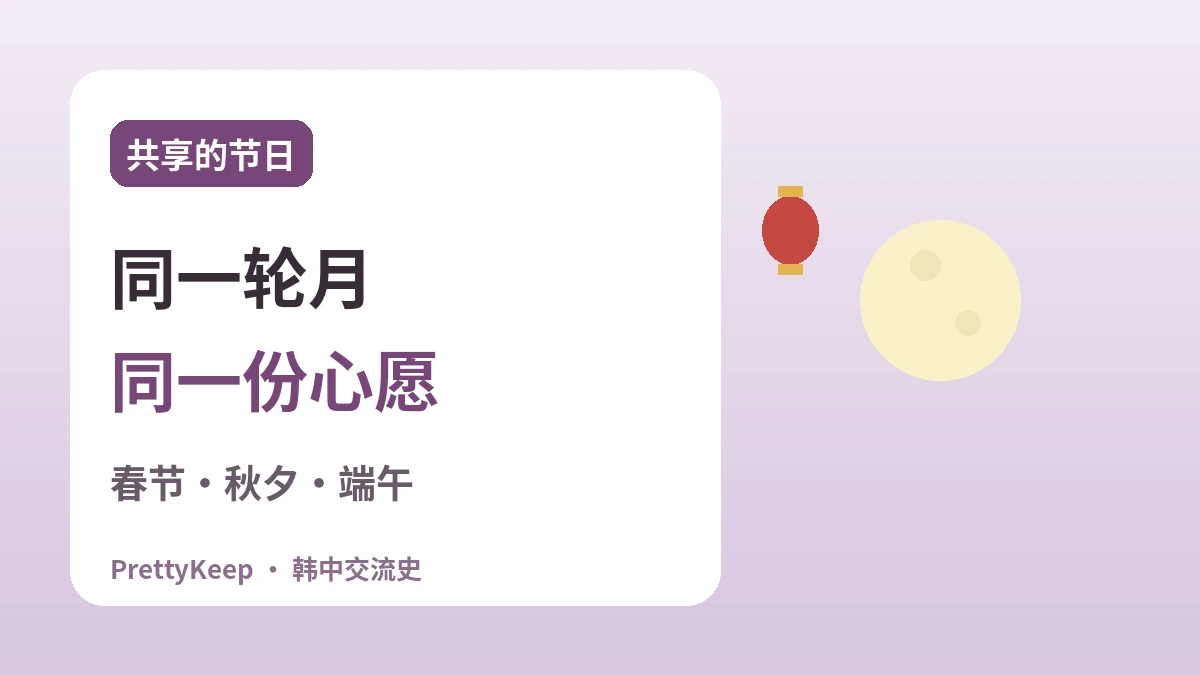
Festivals Korea and China Keep Together — The Shared Heart in Seollal, Chuseok, and Dano

发布日期 2026.07.14
Festivals Korea and China Keep Together — The Shared Heart in Seollal, Chuseok, and Dano 1

(A Korea–China seasonal-customs guide for Chinese visitors to Korea)

[Document type] Korea–China exchange-history guide / shared festivals and seasonal customs

────────────────────────────────────
Introduction
────────────────────────────────────

Greeting a festival on the same day, with the same heart, is a greater intimacy than one might think.
Korea's Seollal falls on the first day of the first lunar month, the same as China's Spring Festival
(Chunjie); Korea's Chuseok falls on the fifteenth of the eighth lunar month, the same as China's
Mid-Autumn Festival. Dano, too, is a season both nations have long honored. The ways of keeping the
festivals differ, yet the heart of gathering with family, honoring ancestors, and wishing for the
year's blessings is remarkably alike.

This guide warmly introduces, from a Chinese visitor's perspective, the festivals and seasonal customs
the two nations share. A visitor from China can feel the gladness of "we keep this day too," along with
the joy of discovering Korea's own texture. The heart of two nations wishing on the same moon is held
within these festivals.

If your travel season overlaps with a festival, you can meet a variety of seasonal experiences at
palaces, hanok villages, and museums. Most let you move comfortably between indoors and out, so they
fit well into an itinerary.

────────────────────────────────────
Understanding shared Korea–China festivals
────────────────────────────────────

1) Why the festivals overlap
Korea and China long used the lunar calendar together. That is why the dates of major festivals like
Seollal, Chuseok, and Dano are the same or adjacent.

2) What is alike and what differs
The heart of gathering with family, honoring ancestors, and wishing for blessings is alike. Yet the
foods, games, and greetings developed differently, each with its nation's character.

3) How we introduce it
① Put the shared heart first ② Respect each nation's own texture ③ Introduce it as a rich variety,
not a matter of superiority.

Key point: Korea–China festivals are "alike hearts under the same sky." Sharing the dates while blooming
in each nation's own color, we enjoy the cultures together.

────────────────────────────────────
Shared Korea–China festivals & seasonal experiences TOP10
────────────────────────────────────


No.1
Seollal and Spring Festival — the New Year's greeting
Meaning Two nations greeting the first day of the first lunar month together
Point Compare Korea's sebae and tteokguk with China's Spring Festival greetings
For Visitors interested in New Year culture


No.2
Chuseok and Mid-Autumn — the heart of the full moon
Meaning A festival honoring the fifteenth of the eighth lunar month together
Point Korea's songpyeon and charye, China's mooncakes and moon-gazing
For Those who want to enjoy an autumn festival


No.3
The seasonal culture of Dano
Meaning An early-summer season both nations have long honored
Point The texture of seasonal customs like sweet-flag and fans
For Those interested in seasonal culture


No.4
Comparing festival foods — tteokguk and mooncakes
Meaning Same festival, different delicacies
Point Discovering the character of Korea–China festival foods
For Those who love food culture


No.5
Palace seasonal festival events
Meaning Traditional festival experiences held at Gyeongbokgung and more
Point A site to enjoy traditional games and performances together
For Those who want a traditional-culture experience


No.6
Seasonal experiences in hanok villages
Meaning Festival customs met at Bukchon, Namsangol, and more
Point Spaces for hanbok and traditional-game experiences
For Those who want hands-on travel


No.7
Seasonal-customs exhibits at the folk museum
Meaning An exhibit organizing the seasons and customs of a year
Point Understanding seasonal culture comfortably indoors
For Those who prefer indoor viewing


No.8
Traditional games — yut, jegi, kite-flying
Meaning Korean games enjoyed at festivals
Point The fun of comparing with Chinese traditional games
For Family and hands-on travelers


No.9
Wishing while gazing at the moon
Meaning The shared heart of placing wishes on the full moon
Point The symbol of the moon that Korea and China shared
For Those who want an emotional connection


No.10
An indoor experience course in festival season
Meaning Indoor-centered seasonal experiences at museums and hanok
Point A viewing route light even in recovery
For Those who want a comfortable indoor experience


────────────────────────────────────
Details — how to enjoy
────────────────────────────────────

[Example festival experience route]
At the National Folk Museum, get an overview of a year's seasonal customs, then enjoy traditional games
and hanbok experiences at Bukchon or Namsangol Hanok Village. In festival season, you can also see
seasonal events held at places like Gyeongbokgung. It is good to adjust indoor exhibits and outdoor
experiences to your condition.

[Why it is especially welcome to Chinese visitors]
That Korea also keeps as festivals the very days of Spring Festival and Mid-Autumn is itself intimate.
There is great joy in comparing mooncakes and songpyeon, Spring Festival greetings and sebae — in
discovering the likeness and difference of the two cultures.

[An attitude of respect]
Festival culture is not a subject of disputing which nation is the origin, but a shared heritage that
two long-neighboring nations developed each in their own color. We introduce it in the spirit of
enjoying the variety together.

[Connecting with a medical-tourism schedule]
Indoor museum and hanok experiences are light even in recovery. Festival-season outdoor events can be
crowded, so after a procedure keep to indoors and prioritize your clinic's guidance.

Notes for medical tourists (most important)
- Above all, follow your clinic's recovery guidance (period, precautions) for every itinerary.
- After a procedure, center on indoor, flat, seated viewing and avoid UV and crowds.
- When trying festival foods, after oral or digestive procedures avoid irritating or hot foods.
- If you feel dizziness, pain, or other abnormal symptoms, stop at once and contact your clinic.

────────────────────────────────────
Frequently asked questions (FAQ)
────────────────────────────────────

Q1. Are Korean festivals on the same day as Chinese ones?
A. Seollal is the same lunar date as Spring Festival, and Chuseok as Mid-Autumn. A shared point of two
nations that long used the lunar calendar together.

Q2. Can I see seasonal culture even when it is not a festival?
A. Yes. You can meet year-round seasonal-customs exhibits and experiences at folk museums and hanok
villages.

Q3. Which foods can I compare?
A. You can discover the character of festival foods by comparing Korea's tteokguk and songpyeon with
China's mooncakes and more.

Q4. Is Chinese-language guidance available?
A. Major museums and experience spaces often provide multilingual guidance. PrettyKeep helps.

Q5. Can I experience it after a procedure?
A. Indoor-centered viewing is light. Adjust outdoor events and crowds to your condition and your
clinic's guidance.

Q6. Is it very crowded in festival season?
A. Popular spots can be crowded during festivals. After a procedure, plan for quieter times and indoor
spaces.

────────────────────────────────────
Medical-tourism tips
────────────────────────────────────

1. Follow your clinic's recovery guidance above all for every itinerary.
2. Center on indoor museum and hanok experiences with flat, seated routes.
3. Festival outdoor events can be crowded; after a procedure choose quieter times.
4. Avoid irritating or hot festival foods after oral procedures.
5. If your condition declines, stop at once and contact your clinic.

────────────────────────────────────
About PrettyKeep
────────────────────────────────────

PrettyKeep is a Korea travel and medical-tourism guide platform for foreign visitors.

- We curate indoor-centered, low-intensity experience courses on shared Korea–China festivals and
seasonal culture (every itinerary reflects the clinic's recovery guidance above all)
- Route design that minimizes travel near the clinic, with interpretation support
- One-stop courses weaving museum and hanok experiences together with recovery schedules
- Festival-season crowd avoidance, symptom response, and clinic connection

A day to meet the Korea–China heart wishing on the same moon — comfortably, with PrettyKeep.

────────────────────────────────────

更多帖子