RIGHTME
返回列表

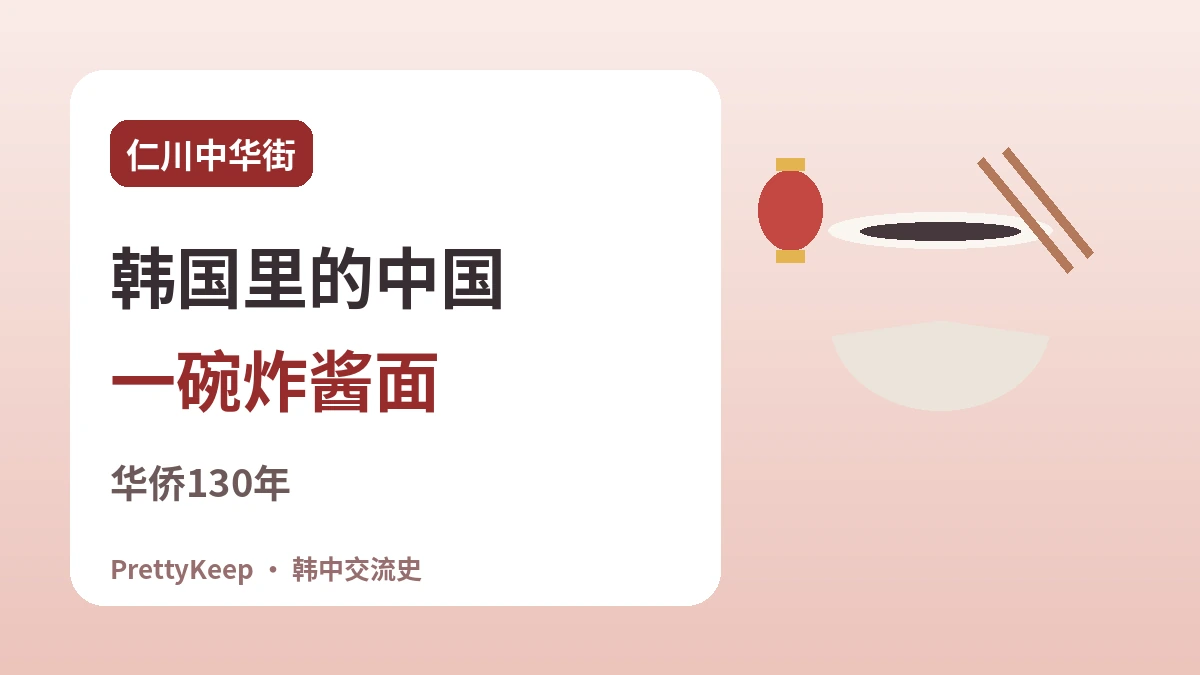
Incheon Chinatown and 130 Years of the Overseas Chinese — The Korea–China Story in a Bowl of Jjajangmyeon

发布日期 2026.07.13
Incheon Chinatown and 130 Years of the Overseas Chinese — The Korea–China Story in a Bowl of Jjajangmyeon 1

(A Korea–China everyday-exchange history guide for Chinese visitors to Korea)

[Document type] Korea–China exchange-history guide / overseas-Chinese settlement history and food-culture walk

────────────────────────────────────
Introduction
────────────────────────────────────

With the opening of Incheon's port in 1883, people who crossed over from China settled in this harbor
city. Over more than 130 years the overseas Chinese (Hwagyo) became a part of Korean society, and
Incheon Chinatown remains a space where that history still breathes. And one dish born here —
jjajangmyeon — became the most familiar symbol of the meeting of the two nations.

This guide warmly introduces, centered on Incheon Chinatown, the lives of Chinese migrants who took
root in Korea and the exchange of everyday culture between the two countries. A visitor from China can
feel a special gladness in discovering "China within Korea." Walking among the familiar Chinese-
character signs and red lanterns, the long time the two nations spent as neighbors comes naturally
near.

Incheon Chinatown is close to Incheon International Airport and can be toured comfortably, moving
between indoors and out — perfect to fit into a travel schedule. From the Jjajangmyeon Museum to
modern architecture and alley shops, a half-day is enough for a full experience.

────────────────────────────────────
Understanding 130 years of the overseas Chinese
────────────────────────────────────

1) When it began
After Incheon's port opened in 1883, Chinese merchants and laborers from places such as the
Shandong Peninsula settled in Incheon, forming an overseas-Chinese community. It later spread to
Seoul, Busan, and beyond.

2) What it left
The overseas Chinese were active in trade, food service, clothing and more, and made Chinese
cuisine part of everyday Korean life. Jjajangmyeon, jjamppong, and tangsuyuk are its representative
fruits.

3) How we remember
① Respect for the lives of migration and settlement ② Recognizing a new culture born of mixing
both nations' cultures ③ Focusing on coexistence and exchange rather than conflict.

Key point: Incheon Chinatown is "a museum of the living culture the two nations made together." Even a
single bowl of jjajangmyeon holds 130 years of Korea–China encounter.

────────────────────────────────────
Enjoying Incheon Chinatown TOP10
────────────────────────────────────


No.1
Jjajangmyeon Museum
Meaning The history of food exchange at the birthplace of jjajangmyeon
Point Exhibits set in the former Chinese restaurant Gonghwachun building
For Visitors interested in Korea–China food culture


No.2
The Paeru (gate) and red streets of Chinatown
Meaning Chinatown's symbolic gate and Chinese-style streetscape
Point Familiar Chinese-character signs and lanterns make a welcome photo spot
For Those who enjoy street strolls and photos


No.3
Original jjajangmyeon and long-standing Chinese restaurants
Meaning The handed-down flavors of overseas-Chinese eateries
Point A harmony of authentic and Koreanized jjajangmyeon, jjamppong, dumplings
For Those seeking a culinary walk


No.4
Three Kingdoms mural street
Meaning An alley of murals depicting the Chinese classic Romance of the Three Kingdoms
Point The joy of meeting a familiar tale in paintings
For Visitors familiar with Chinese classics


No.5
The Qing–Japan concession boundary steps
Meaning Traces of modern Incheon as an international city
Point Different architectural styles across a single staircase
For Those interested in modern history and architecture


No.6
Gonghwachun and modern buildings
Meaning Buildings showing the prosperity of overseas-Chinese commerce
Point The atmosphere of red-brick modern architecture
For Lovers of architecture and history photos


No.7
Chinese desserts and gonggalppang
Meaning The snack culture the overseas Chinese brought
Point Light street nibbles to enjoy on the go
For Those wanting a light snack


No.8
Songwol-dong Fairy-tale Village
Meaning A colorful mural village linked to Chinatown
Point A stroll course good to see together with Chinatown
For Those wanting a leisurely alley walk


No.9
Overseas-Chinese culture and migration-history exhibits
Meaning Materials showing lives of migration and settlement
Point A space to understand 130 years of Chinese in Korea
For Those wanting deeper historical understanding


No.10
Incheon Port open-port modern street
Meaning The stage where Korea–China exchange began
Point A modern downtown walk linked with Chinatown
For Those wanting a half-day downtown walk


────────────────────────────────────
Details — how to tour
────────────────────────────────────

[Example half-day course]
Start at the Chinatown Paeru, look at the history of food exchange at the Jjajangmyeon Museum, then
enjoy original jjajangmyeon for lunch at a long-standing eatery. Walking on through the Three Kingdoms
mural street and the Qing–Japan concession steps to Songwol-dong Fairy-tale Village fills a half-day
richly. Most paths are flat or gently sloped.

[Why it is especially welcome to Chinese visitors]
Familiar Chinese-character signs, Three Kingdoms murals, the aroma of Chinese cuisine — you meet
"China within Korea" everywhere. At the same time, like the Korean-style jjajangmyeon, there is the
fun of discovering how two cultures mixed and were reborn as something new.

[An attitude of respect]
The history of the overseas Chinese holds both the joy and hardship of settlement. With a gaze that
respects the lives of migrants, we center on the story of coexistence and exchange.

[Connecting with a medical-tourism schedule]
Close to Incheon International Airport, it suits the first day of arrival or the day before departure.
Being mostly a flat walk, it is light even in recovery, but after a procedure adjust the intensity per
your clinic's guidance.

Notes for medical tourists (most important)
- Above all, follow your clinic's recovery guidance (period, precautions) for every itinerary.
- After a procedure, avoid UV and long walking; take frequent seated rests.
- After oral or dental procedures, avoid irritating or hot foods and choose soft recovery meals.
- If you feel dizziness, pain, or other abnormal symptoms, stop at once and contact your clinic.

────────────────────────────────────
Frequently asked questions (FAQ)
────────────────────────────────────

Q1. Is jjajangmyeon Chinese food or Korean food?
A. It is a dish that overseas Chinese brought as a Chinese noodle dish and that developed
independently in Korea. It is a representative fruit of the meeting of the two nations.

Q2. How long does Chinatown take?
A. A half-day lets you enjoy the museum, streets, and eateries at ease. Being mostly flat, it is
comfortable.

Q3. Is it near the airport?
A. Yes. With good access from Incheon International Airport, it links well with arrival/departure
plans.

Q4. Does Chinese work there?
A. Chinese often works at overseas-Chinese eateries and shops. PrettyKeep helps with routes and
interpretation.

Q5. Can I visit after a procedure?
A. Being mostly a flat walk, the burden is relatively low. Still, follow your clinic's recovery
guidance first.

Q6. Is spicy jjamppong okay?
A. After oral or digestive procedures, avoid spicy food and choose soft menus. Prioritize your
clinic's guidance.

────────────────────────────────────
Medical-tourism tips
────────────────────────────────────

1. Follow your clinic's recovery guidance above all for every itinerary.
2. Use the airport-proximity to make it a half-day course on arrival/departure day.
3. Center on flat paths and seated rest; after a procedure avoid UV and long walking.
4. After oral procedures choose soft recovery meals over spicy/hot foods.
5. If your condition declines, stop at once and contact your clinic.

────────────────────────────────────
About PrettyKeep
────────────────────────────────────

PrettyKeep is a Korea travel and medical-tourism guide platform for foreign visitors.

- We curate low-intensity walking and culinary courses on Korea–China everyday-exchange history
(every itinerary reflects the clinic's recovery guidance above all)
- Route design near the airport and clinic that minimizes travel, with interpretation support
- One-stop courses weaving food, streets, and exhibits together
- Recovery-friendly dining, symptom response, and clinic connection

A day to meet 130 years of Korea–China friendship in a single bowl of jjajangmyeon — comfortably, with
PrettyKeep.

────────────────────────────────────

更多帖子