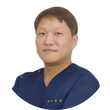
Dokter Jun-Shin
Ahli bedah plastik
Operasi kelopak mata
Pengisi dermal
Suntikan Botox
Mengangkat / mengencangkan
Dermatologi (umum)
- Lulusan Fakultas Kedokteran Universitas Yonsei
- Gelar Doktor (Ph.D.) di bidang Bedah Plastik
- Dokter Bedah Plastik Bersertifikasi
- Anggota Penuh, Perhimpunan Dokter Bedah Plastik dan Rekonstruksi Korea (KSPRS)
- Anggota Penuh, Perhimpunan Dokter Bedah Plastik dan Rekonstruksi Kraniofasial Korea
- Anggota Penuh, Perhimpunan Dokter Bedah Mikro Korea
- Anggota Penuh, Perhimpunan Dokter Bedah Tangan Korea
- Anggota Penuh, Asosiasi Dokter Bedah Plastik Korea
- Anggota Penuh, Konfederasi Internasional untuk Bedah Plastik, Rekonstruksi, dan Estetika (IPRAS)
- Profesor Pembantu, Departemen Bedah Plastik, Fakultas Kedokteran Universitas Yonsei
- Profesor, Fakultas Kedokteran Universitas Hallym