(A guide to Korea's royal and head-family fine hansik for international visitors)
[Document type] Gourmet travel guide / Royal court & jongga (head-family) cuisine
────────────────────────────────────
Introduction
────────────────────────────────────
Vivid colors, elegant plating, and the harmony of gentle seasoning. Royal
court cuisine is the essence of Korean food, descended from the royal
"sura" tables of the Joseon dynasty.
Add jongga cuisine — the dishes passed down through prestigious head
families — and you can fully feel the depth of Korea's traditional banga
(aristocratic household) table.
Mild rather than spicy and true to each ingredient, royal and jongga
cuisine is easy even for those in recovery, making a special, elegant meal
after a procedure or checkup.
This guide covers signature dishes like gujeolpan and sinseollo, renowned
banga-table restaurants such as Korea House, Yongsusan and Hanilkwan, and
dining tips — all in simple terms.
────────────────────────────────────
Understanding royal & jongga cuisine
────────────────────────────────────
1) Royal court cuisine
A culinary style once enjoyed in the palaces of Joseon (1392–1897),
using rare ingredients from across the country cooked with precision,
prizing the balance of color, taste and nutrition. It's a traditional
gourmet enjoying renewed acclaim in the 21st century.
2) Jongga cuisine
Dishes handed down in jongga (head families that maintain ancestral
rites), each region and family with its own banga table and hand-taste.
3) Bansang culture
Centering on rice with an array of side dishes (banchan) — fermented,
sauteed vegetables, grilled, jeon — is the heart of hansik; royal and
jongga cuisine is its most refined form.
Key point: royal and jongga cuisine is Korea's history and aesthetics on a
single table. Enjoy it slowly, as a refined course with stories.
────────────────────────────────────
TOP 10 royal & jongga dishes, restaurants & tips
────────────────────────────────────
No.1
Gujeolpan
Purpose The signature royal dish, nine sections of color
Best for Everyone new to royal cuisine
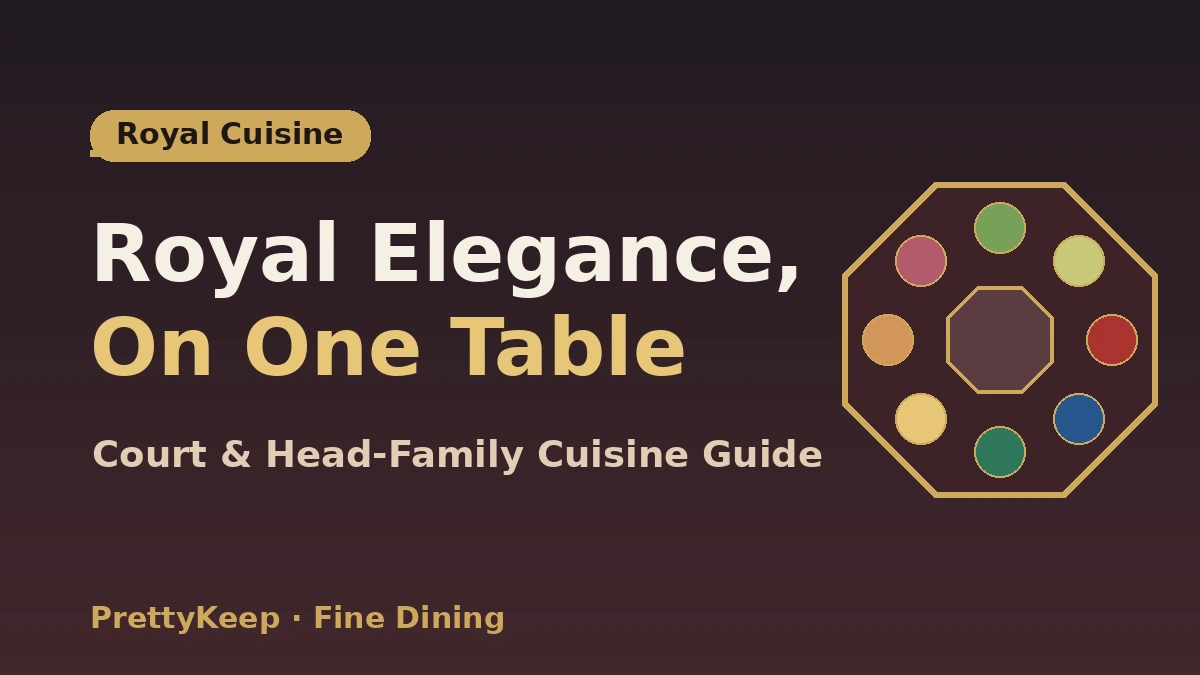
Note Eight fillings in an octagonal nine-section box, wrapped in thin crepes
No.2
Sinseollo
Purpose A lavish royal hot pot, simmered at the table
Best for Those wanting a warm, abundant course
Note Charcoal in a brass brazier heats broth; over 20 ingredients meld
No.3
Traditional Banga Hanjeongsik Course
Purpose A royal/jongga full-course table experience
Best for Those wanting an authentic hansik course
Note Jeon, grilled, vegetables, stew and dessert served in refined sequence
No.4
Neobiani / Royal Tteokbokki
Purpose Royal-style meat and rice-cake dishes
Best for Those wanting a mild royal delicacy
Note Neobiani (royal bulgogi), soy-based royal tteokbokki's gentle taste
No.5
Japchae / Grilled & Jeon Platter
Purpose The colorful signature banchan of a feast
Best for Those who enjoy a variety of side dishes
Note Colorful japchae, assorted jeon and grilled for the eyes and palate
No.6
Korea House (Hanok Banga Table)
Purpose A royal-style course with traditional performance
Best for Those wanting culture and cuisine together
Note A hanok cultural venue; royal menu plus traditional music/dance
No.7
Yongsusan (Kaesong-style Banga Table)
Purpose Kaesong-style royal/banga cooking
Best for Those wanting a mild, refined course
Note Kaesong cuisine base, decades of banga-table tradition
No.8
Hanilkwan & Other Heritage Banga Sets
Purpose Long-established authentic hanjeongsik restaurants
Best for Those wanting a classic course
Note Includes royal classics like sinseollo and gujeolpan
No.9
Desserts & Traditional Sweets
Purpose A refined sweet finish to the course
Best for Those wanting traditional desserts
Note Yakgwa, dasik, sujeonggwa, hwachae for a gentle finish
No.10
Reservation & Dining Tips (for foreigners)
Purpose Enjoy the banga table smoothly
Best for First-timers to royal/jongga cuisine
Note Mostly by reservation and course; guidance on order and etiquette
────────────────────────────────────
How to enjoy it
────────────────────────────────────
[Enjoying the course]
Royal and jongga cuisine is usually served as a set-sequence course.
Typically it begins with gujeolpan or appetizers, moves through sinseollo,
grilled, vegetables and stew, and finishes with traditional sweets. It's
mild, so focus on each ingredient's gentle flavor.
[Choosing a restaurant]
For culture with your meal, Korea House; for a mild Kaesong-style banga
course, Yongsusan; for a long-established authentic hanjeongsik, a heritage
restaurant like Hanilkwan. Most require advance reservation and course ordering.
[Table etiquette]
- Sampling many side dishes a little at a time is the bansang way.
- With elders present, it's polite to begin after they lift their spoon.
- Table-simmered dishes like sinseollo are hot — take care.
For medical-tourism visitors
- Royal and jongga cuisine is generally mild, so easy even in recovery.
- Depending on your procedure, hot or hard foods may need adjusting.
- After dental/oral procedures, request softer menus.
- Note allergies, religious diets and vegetarian needs when booking.
- For alcohol, follow your clinic's guidance on drinking.
────────────────────────────────────
FAQ
────────────────────────────────────
Q1. How does royal cuisine differ from ordinary hanjeongsik?
A. Royal cuisine is refined hansik descended from Joseon's palace cooking,
especially prizing balance of ingredients, color and seasoning. Jongga
cuisine is the banga table handed down in head families. Both are
enjoyed as authentic courses.
Q2. What are gujeolpan and sinseollo?
A. Gujeolpan is eight fillings in a nine-section box wrapped in thin crepes;
sinseollo is a lavish hot pot simmered at the table with charcoal in a
brass brazier.
Q3. Is it spicy or strong?
A. Generally mild and gentle, true to each ingredient — easy even for those
in recovery.
Q4. Do I need a reservation?
A. Most require advance reservation and course ordering. PrettyKeep helps
with booking and interpretation.
Q5. Are there vegetarian/halal options?
A. Vegetable-friendly dishes (namul, jeon) are plentiful, and adjustments
are possible on request. Halal needs separate confirmation; PrettyKeep guides.
Q6. Is English available?
A. Many renowned restaurants offer English menus and service. Confirming at
booking gives peace of mind.
────────────────────────────────────
Travel tips
────────────────────────────────────
1. Popular restaurants often require reservation — book ahead.
2. In recovery, mild royal/jongga courses are easy to handle.
3. Note allergies, religious diets and vegetarian needs at booking for smooth service.
4. Venues with performance, like Korea House, combine culture and cuisine at once.
5. Pair with palace tours and hanbok to complete a day of tradition.
────────────────────────────────────
About PrettyKeep
────────────────────────────────────
PrettyKeep is a travel and medical-tourism guide platform for international
visitors to Korea.
- Reservations and interpreters for royal/jongga cuisine restaurants
- Advance handling of dietary requests: vegetarian, halal, allergies
- Mild gourmet courses matched to your procedure/checkup recovery
(clinic guidance takes priority on food/alcohol after procedures)
- Curated days of tradition linking royal cuisine with palace/hanbok experiences
Korea's history and grace on one table — savor it elegantly with PrettyKeep.
────────────────────────────────────